
When “Green” Becomes a Marketing Strategy
As environmental awareness grows,
more brands are using:
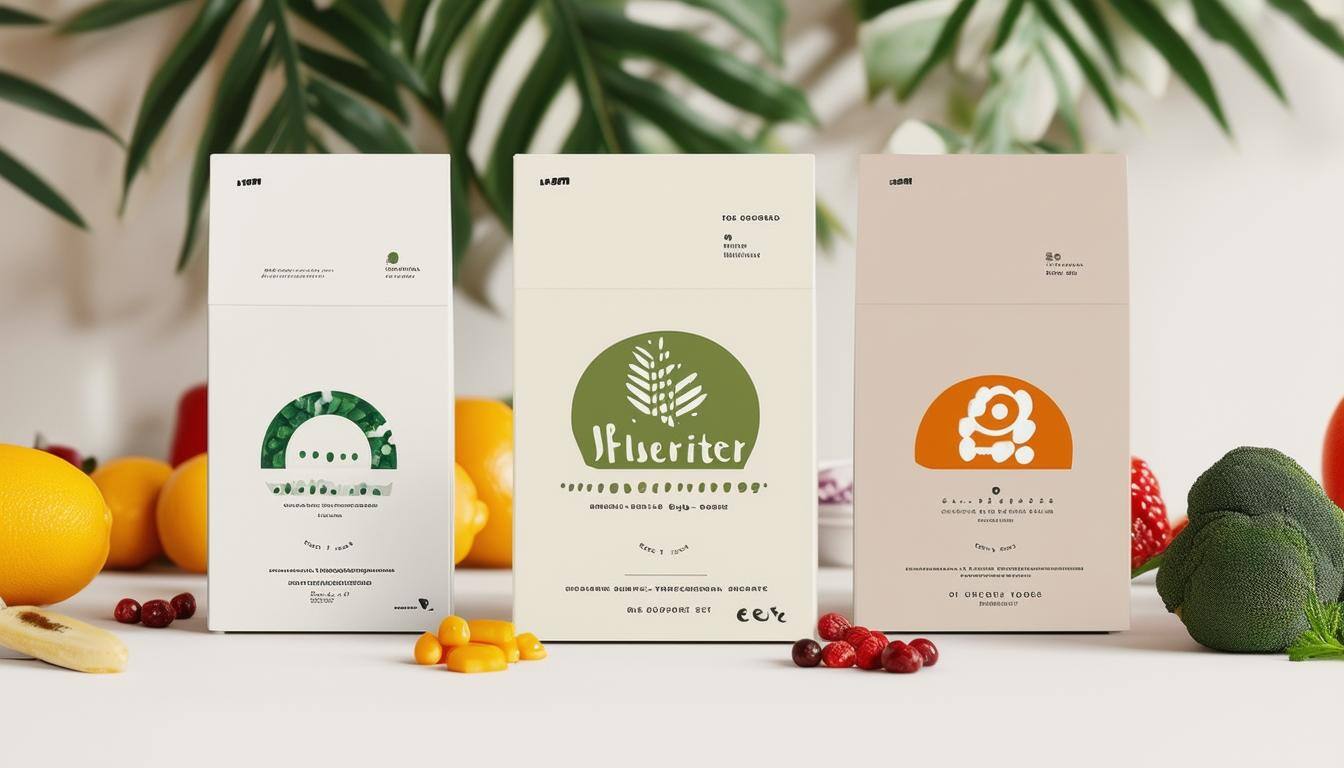
Green packaging
Nature-inspired visuals
Words like “Eco,” “Natural,” and “Clean”
However, an important question remains:
Are all products that look sustainable truly sustainable?
This is where the term greenwashing becomes relevant.
What Is Greenwashing?
Greenwashing refers to:
Marketing practices that exaggerate or imply environmental benefits
without meaningful standards or measurable improvements behind them.
In simple terms:
A product may look green —
but that does not guarantee it is responsibly made.
It often relies on visual cues and vague language rather than transparency.

Common Signs of Greenwashing
Some common indicators include:
-
Broad claims like “all-natural” without explanation
-
Highlighting one eco-friendly feature while ignoring overall impact
-
No third-party certifications or testing information
-
Heavy use of green colors and nature imagery without data
-
Limited disclosure about ingredients or production methods
Responsible sustainability does not fear transparency.
When information is unclear, it is reasonable to ask questions.
How to Make More Informed Decisions
Instead of relying on packaging alone, consider asking:
-
Are there clear standards, not just slogans?
-
Is there testing, certification, or verification?
-
Is the production process explained?
-
Are ingredients and sourcing disclosed?
Sustainability is not an emotional reaction.
It is an informed choice.
Why This Matters
When the market becomes saturated with surface-level “green” messaging,
companies that genuinely invest in safer production practices can be overlooked.
Thoughtful consumers help drive meaningful change.
Recognizing greenwashing is not about criticism.
It is about supporting authentic responsibility.
🌿 Conclusion
Green living begins with awareness.
Sustainability should not be a visual impression.
It should be reflected in standards, transparency, and accountability.
When we learn to distinguish marketing from measurable impact,
we help create a more honest future.
— Green Standardus