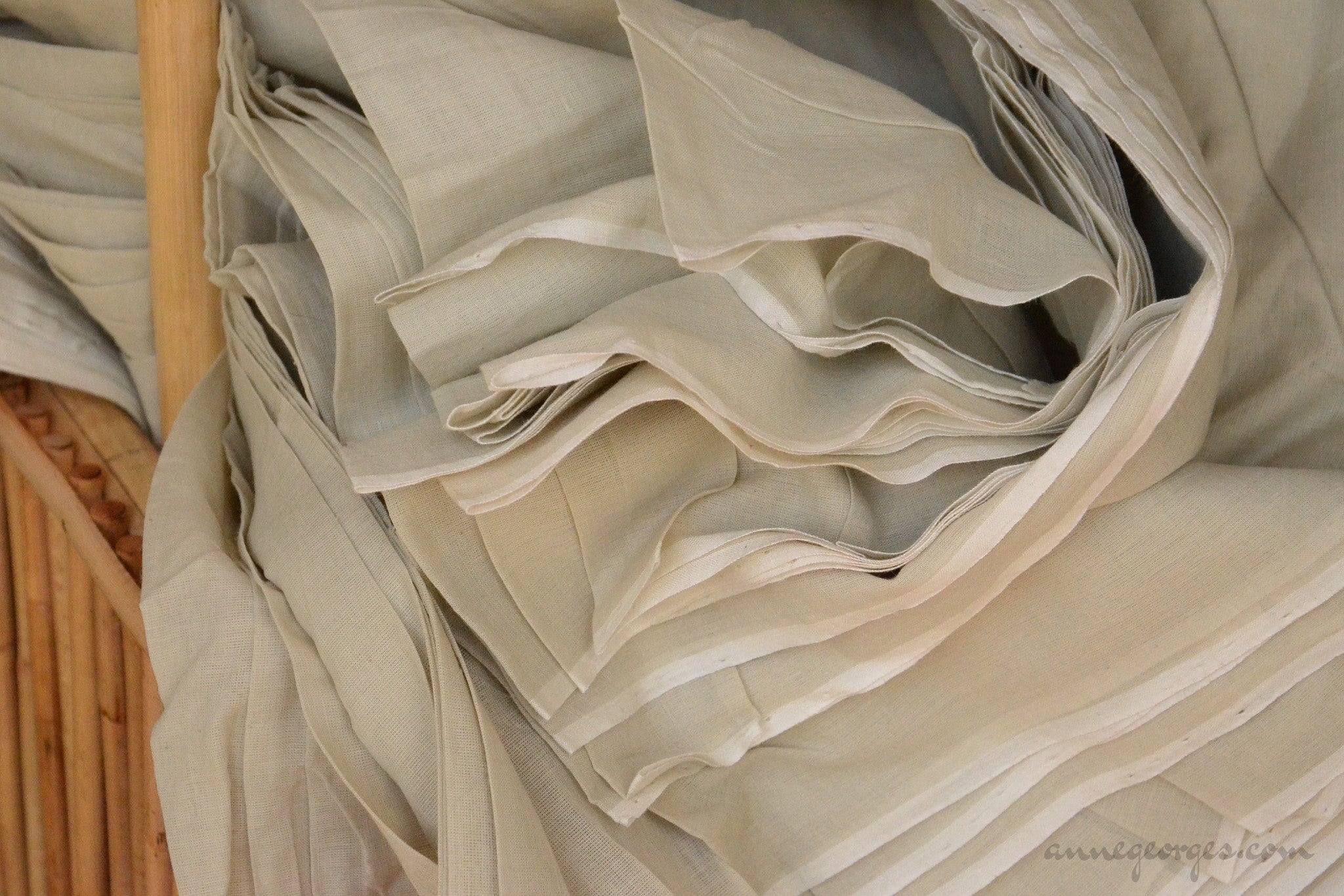
Is Natural Always Safe?

https://images.openai.com/static-rsc-3/Gd9EasgBbCVsKaL7GqjkZt5xtp-NSaU-NZbhOpYHbTz8UqoL0ZsLwtQd9klAZl6TasmK7v1yMpyePtwW9vKASnTrZc3rcFokAi1G5O-DOws?purpose=fullsize&v=1

https://www.annegeorges.com/cdn/shop/products/Angel_s_Breath_Pepper_Tea_01.jpg?v=1466410574

https://images.openai.com/static-rsc-3/BVqkKx7C-7bbWLoAhiDb-OPp0L7DBT8rACNr2qIFI07F36Z-Oi9zG_KTVEI0wgD242lIXg_ccmCMmKq1WeLHDKLi2kmN1Sf59LPXAxAkxwI?purpose=fullsize&v=1


Natural Describes Origin — Not Safety

In today’s growing sustainability movement,
the word “natural” carries powerful appeal.

Natural dyes.
Natural essential oils.
Natural fibers.
Natural ingredients.

But we need to understand something clearly:

Natural refers to where something comes from.
Safety refers to how it affects us.

These two are not automatically the same.


Nature Itself Can Be Powerful

The natural world contains substances that are:

  • Highly concentrated

  • Potentially irritating

  • Biologically active

For example:

Certain essential oils, when used in high concentrations, may irritate the respiratory system.
Some plant-based dyes, if not properly processed, may leave residues.

The issue is not whether something is natural.
The issue is how it is managed.

Safety depends on responsible processing, testing, and usage.


What Defines a Safer Product?

Instead of focusing only on marketing language,
we can ask better questions:

  • Has the product undergone emission testing?

  • Are residue levels controlled?

  • Is ingredient information transparent?

  • Does it meet low-VOC standards?

  • Are heavy metals avoided in production?

Safety is the result of systems and standards —
not labels alone.

Rational Sustainability Over Emotional Marketing

It is easy to feel reassured by the word “natural.”

But mature environmental awareness requires balance:

  • Not fear-based

  • Not blindly trusting

  • Not driven by trends

Green living is not about chasing purity.
It is about reducing long-term risk thoughtfully.


Why This Perspective Matters

True sustainability is not emotional consumption.

It is informed decision-making.

When we understand that “natural” does not automatically mean “safe,”
we become more careful — and more confident.

This does not reject natural materials.

It respects science and responsibility.


🌿 Conclusion

Green living begins with awareness.

Natural is a source.
Safety is a responsibility.

When we approach sustainability with clarity and balance,
we protect both our homes and our families more effectively.

— Green Standardus
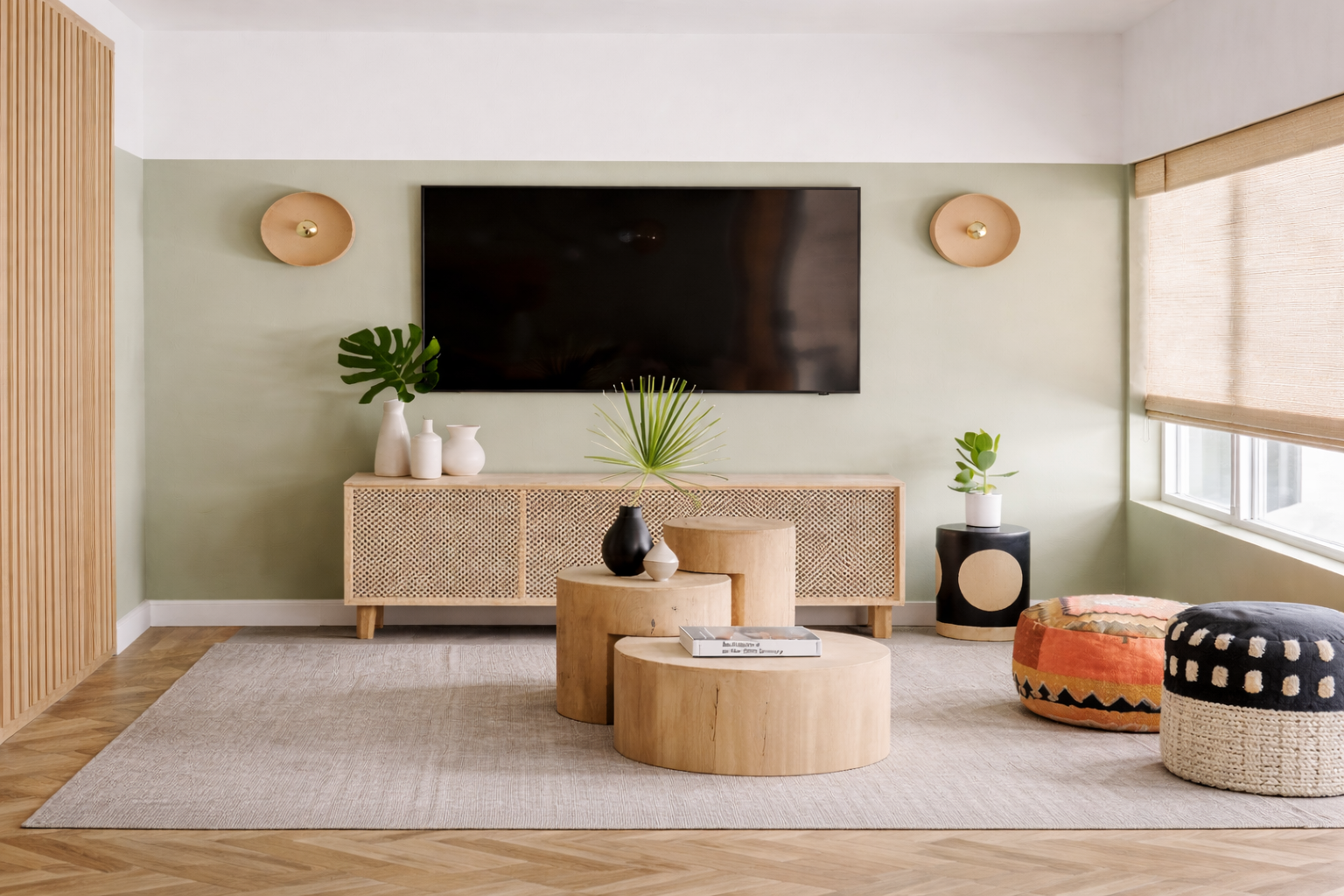
Why the Bedroom Is the Most Important Health Space in Your Home

We Spend One-Third of Our Lives Here

On average, we spend 6–8 hours every night in the bedroom.

Over a lifetime, that equals nearly one-third of our lives.

Yet when people think about health risks,
they often focus on food or outdoor pollution —
rarely the bedroom environment.

But prolonged, daily exposure matters.

The bedroom is not just a place to rest.
It is a place of continuous contact.


What Are We Really Breathing and Touching?

Inside a typical bedroom, we are surrounded by:

  • Mattresses and bedding

  • Upholstered furniture

  • Painted walls

  • Cleaning product residues

  • Airborne volatile organic compounds (VOCs)

Some materials may release low levels of emissions over time.
Individually, they may seem insignificant.

But health impact is often cumulative.

The question is not whether exposure exists —
it is how long and how consistently it continues.


Textiles: The Closest Contact Surface

Bedding is one of the most intimate materials in our daily lives.

It touches skin for hours, every night.

Important considerations include:

  • Dyeing and finishing processes

  • Residual chemicals from manufacturing

  • Fabric breathability

  • Emission levels

Safer textile choices can reduce unnecessary chemical burden.

Green design is not only about aesthetics.
It is about long-term comfort and well-being.


Air Quality and Ventilation

Bedrooms often remain closed for long periods.

Without proper ventilation,
indoor air pollutants may accumulate.

Simple habits can help:

  • Open windows daily when possible

  • Choose low-VOC paints and finishes

  • Avoid heavy synthetic fragrances

  • Wash new bedding before first use

Small adjustments create meaningful change.


Why This Matters

Health is rarely affected by one dramatic event.

It is shaped by consistent, everyday exposure.

If we improve the place where we spend the most continuous hours,
we reduce long-term environmental stress on the body.

The bedroom should support recovery —
not introduce hidden burdens.


Conclusion

Green living begins with awareness.

When we understand how daily environments influence long-term health,
we make better choices.

The bedroom is not just where we sleep.

It is where the body restores, repairs, and resets.

Let it be a space that truly supports well-being.

— Green Standardus

What Does Non-Toxic Really Mean?

Non-Toxic Does Not Mean “Chemical-Free”

Many people assume “non-toxic” means:

  • Completely free of all chemicals

  • 100% natural

  • Zero risk

In reality, that is a misunderstanding.

Non-toxic means:

Under normal use conditions, the product is not known to cause harmful effects to human health.

The key factors are:

  • Dosage

  • Duration of exposure

  • Cumulative effects over time

Even water can be harmful in extreme excess.
The issue is not whether something exists —
but whether it is safe at realistic exposure levels


Why Indoor Environments Matter Most

We spend more than 60% of our time indoors.

In bedrooms especially, we are in prolonged contact with:

  • Bedding

  • Mattresses

  • Fabric surfaces

  • Cleaning residues

  • Airborne VOCs

When products contain high-volatility solvents, heavy-metal dyes, or formaldehyde-based treatments, the risk is often not immediate.

It is subtle and long-term.

The non-toxic philosophy focuses on reducing that cumulative burden.


“Natural” Does Not Always Mean Safe

This is an important distinction.

Some natural substances can still cause irritation or toxicity.

A responsible non-toxic standard considers:

  • Safety testing

  • Emission levels

  • Transparent ingredient disclosure

  • Reduced-residue production processes

Sustainability is not emotional marketing.
It is informed decision-making.


How to Move Toward a Non-Toxic Home

You do not need to change everything overnight.

Start with three practical steps:

  1. Choose low-VOC cleaning products

  2. Pay attention to textile processing standards

  3. Maintain proper ventilation

    Green living is not extreme.
    It is gradual.

    Each informed choice reduces long-term risk.


    Why I Share This Perspective

    Having worked within these industries,
    I understand how products are made.

    Many risks are not intentional —
    they are simply not widely understood.

    When consumers have more information,
    they can make better decisions.

    That is why I continue to advocate for non-toxic living.


    Conclusion

    Non-toxic is not a label.

    It is a mindset rooted in long-term health.

    When we reduce even small risks,
    our homes become lighter, safer, and more supportive of well-being.

    — Green Standardus

When Cleaning Meets Home Textiles: Why Green Living Begins at Home

When Did This Journey Begin?

During my years living in the United States, I worked in two industries:
cleaning services and home textiles.

Cleaning showed me something uncomfortable —
many everyday household products contain chemicals that may pose long-term risks to human health.

Home textiles revealed something even deeper —
the fabrics we sleep on for 6–8 hours every night often undergo heavy chemical processing, including synthetic dyes and finishing treatments.

That led me to one simple question:

If home is meant to be the safest place in our lives,
why do we allow invisible pollutants inside it?

This is not just a business question.
It is a responsibility.


Green Living Is About Long-Term Health

Many people think sustainability only means reducing environmental damage.

But true green living also means:

  • Reducing long-te

  • rm exposure to harmful substances

  • Lowering indoor VOC (volatile organic compound) levels

  • Choosing low-emission, low-toxicity products

  • Supporting responsibly sourced materials

For example:

  • Using low-VOC cleaning products

  • Choosing natural fibers such as organic cotton or linen

  • Avoiding textiles treated with high-residue chemical finishes

Green living is not about perfection.

It is about making small, consistent choices that protect long-term well-being.


Home Textiles: The Overlooked Health Factor

We spend nearly one-third of our lives in bed.

Yet very few people ask:

  • Were these fabrics dyed with heavy metals?

  • Were formaldehyde-based finishes used?

  • How much chemical residue remains after processing?

True green textiles should prioritize:

  • Low-emission production

  • Traceable raw materials

  • Safer dyeing and finishing technologies

  • Skin-friendly standards

Sustainability does not mean sacrificing beauty.

Well-designed products can be

beautiful, comfortable, and safe.


Why I Chose to Become a Green Living Advocate

I am not focused on rapid expansion.

What matters more to me is this question:

Will this decision still benefit people ten years from now?

I hope to see homes where:

  • The air feels clean

  • Bedding feels safe

  • Cleaning products do not leave harmful residues

Green living is not a trend.
It is a long-term responsibility.


Conclusion

Changing the world is difficult.
But improving one home at a time is possible.

Starting today,
let long-term health guide every choice we make.

— Green Standardus

what Does "NON-TOXIC" Really Mean?

In recent years, the word “Non-Toxic” has appeared everywhere — on cleaning products, personal care items, baby goods, and household labels.

But what does Non-Toxic actually mean?
And more importantly, does it always mean safe?

At Green Standard US, we believe understanding this term is essential to making healthier choices for our homes, our families, and our environment.


Non-Toxic: More Than Just a Marketing Word

At its core, Non-Toxic means that a substance does not cause harm to humans, animals, or the environment when used as intended.

However, here’s the truth many people don’t realize:

“Non-Toxic” is not always a regulated or legally enforced term.

In many countries, including the United States, companies can use the term Non-Toxic without meeting a single universal standard. This has led to confusion — and sometimes misplaced trust.


Toxicity Is Not Always Immediate

One of the biggest misunderstandings about toxicity is this:

If something doesn’t cause immediate harm, it must be safe.

In reality, toxicity often works quietly and cumulatively.

Some substances:

  • Do not cause instant reactions

  • Do not burn the skin or irritate the eyes

  • Do not trigger immediate symptoms

Yet over time, repeated low-level exposure may:

  • Affect respiratory health

  • Disrupt hormones

  • Impact immune systems

  • Accumulate in indoor air and dust

Non-Toxic is not about what happens in five minutes — it’s about what happens over years.


Non-Toxic vs. “Less Toxic”

Another common misconception is that Non-Toxic simply means “less harmful than conventional products.”

But there is an important distinction:

  • Less Toxic means reduced harm compared to something worse

  • Non-Toxic means designed with safety as the starting point

True non-toxic thinking asks:

  • Is this safe for daily, long-term exposure?

  • Is it safe for children and pets?

  • Is it safe for people with sensitivities?

  • Is it safe for indoor air quality?

If the answer is uncertain, then the product may be less toxic — but not truly non-toxic.


Why Fragrance Matters

One of the most overlooked aspects of toxicity is fragrance.

Many synthetic fragrances are:

  • Made from undisclosed chemical mixtures

  • Protected as “trade secrets”

  • Impossible for consumers to fully evaluate

A product can smell “clean” or “fresh” while still releasing compounds that:

  • Irritate airways

  • Trigger headaches

  • Linger long after cleaning is finished

Non-Toxic does not rely on scent to signal cleanliness.


Children, Pets, and the Hidden Risk

Children and pets experience their environment differently than adults:

  • They are closer to the floor

  • They breathe more rapidly

  • Their bodies are still developing

What seems harmless to an adult may have a very different impact on them.

This is why true non-toxic standards must consider:

  • Vulnerable populations

  • Long-term exposure

  • Everyday use — not occasional contact


Non-Toxic Is a Philosophy, Not a Label

At Green Standard US, we see Non-Toxic not as a badge, but as a mindset.

It means:

  • Choosing transparency over secrecy

  • Prioritizing health over convenience

  • Valuing prevention over reaction

It also means asking better questions:

  • Why is this ingredient necessary?

  • What happens when this enters our air, water, and homes?

  • Who is most affected by its long-term use?


Rethinking What “Clean” Really Means

For decades, “clean” has been associated with:

  • Strong smells

  • Harsh formulas

  • Immediate visual results

But cleanliness should never come at the cost of health.

A truly clean home is one that supports:

  • Healthy breathing

  • Safe surfaces

  • Peace of mind


Our Perspective

Non-Toxic is not about perfection.
It is about awareness, intention, and continuous improvement.

The shift toward non-toxic living begins with understanding — and understanding begins with asking the right questions.

That is the standard we believe in.
That is the Green Standard.