We Spend One-Third of Our Lives Here
On average, we spend 6–8 hours every night in the bedroom.
Over a lifetime, that equals nearly one-third of our lives.
Yet when people think about health risks,
they often focus on food or outdoor pollution —
rarely the bedroom environment.
But prolonged, daily exposure matters.
The bedroom is not just a place to rest.
It is a place of continuous contact.
What Are We Really Breathing and Touching?
Inside a typical bedroom, we are surrounded by:
-
Mattresses and bedding
-
Upholstered furniture
-
Painted walls
-
Cleaning product residues
-
Airborne volatile organic compounds (VOCs)
Some materials may release low levels of emissions over time.
Individually, they may seem insignificant.
But health impact is often cumulative.
The question is not whether exposure exists —
it is how long and how consistently it continues.
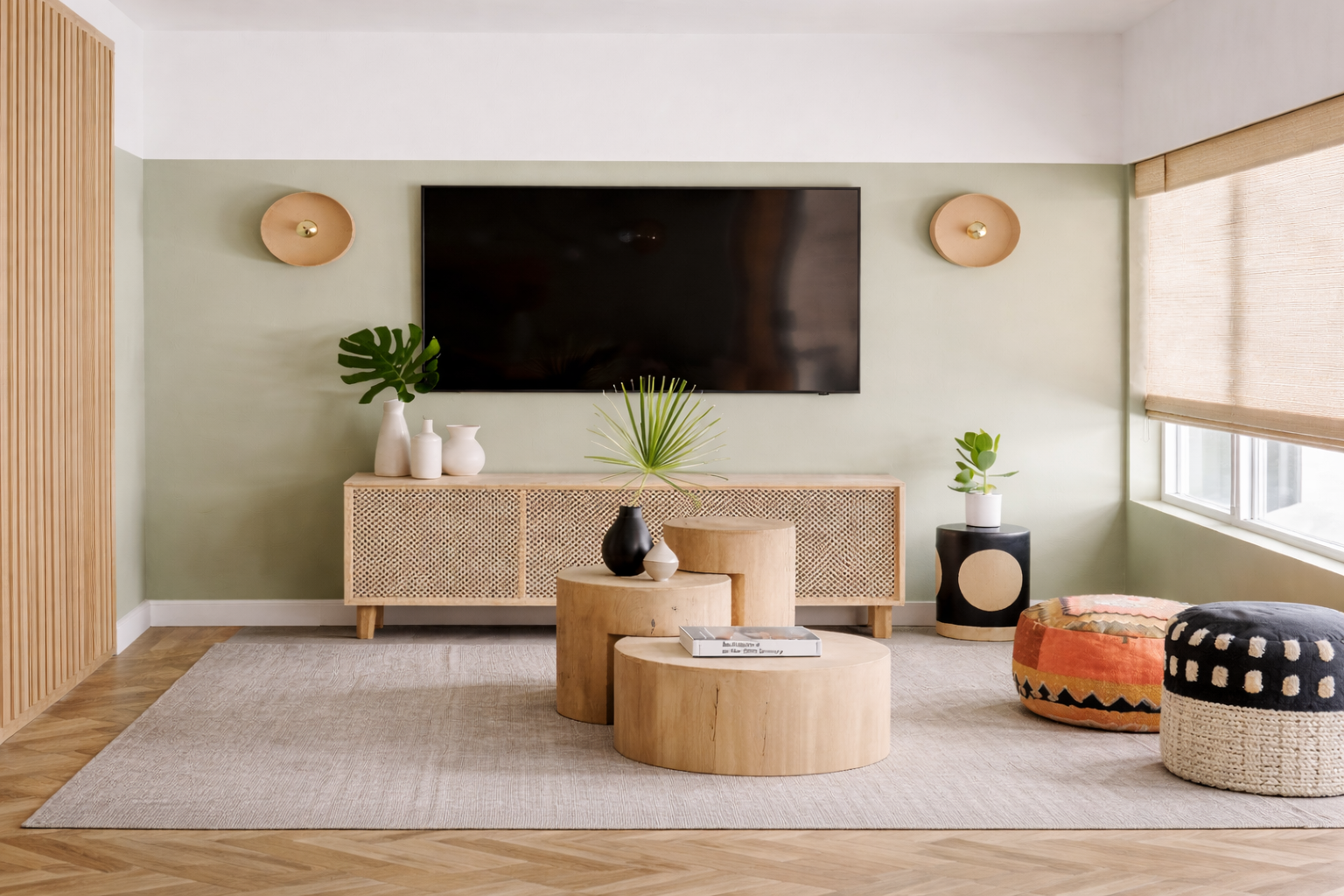
Textiles: The Closest Contact Surface
Bedding is one of the most intimate materials in our daily lives.
It touches skin for hours, every night.
Important considerations include:
-
Dyeing and finishing processes
-
Residual chemicals from manufacturing
-
Fabric breathability
-
Emission levels
Safer textile choices can reduce unnecessary chemical burden.
Green design is not only about aesthetics.
It is about long-term comfort and well-being.
Air Quality and Ventilation
Bedrooms often remain closed for long periods.
Without proper ventilation,
indoor air pollutants may accumulate.
Simple habits can help:
-
Open windows daily when possible
-
Choose low-VOC paints and finishes
-
Avoid heavy synthetic fragrances
-
Wash new bedding before first use
Small adjustments create meaningful change.
Why This Matters
Health is rarely affected by one dramatic event.
It is shaped by consistent, everyday exposure.
If we improve the place where we spend the most continuous hours,
we reduce long-term environmental stress on the body.
The bedroom should support recovery —
not introduce hidden burdens.
Conclusion
Green living begins with awareness.
When we understand how daily environments influence long-term health,
we make better choices.
The bedroom is not just where we sleep.
It is where the body restores, repairs, and resets.
Let it be a space that truly supports well-being.
— Green Standardus